
In wireless networking, Cisco Meraki continues to stand out with its cutting-edge access points (APs), offering robust solutions for a wide range of environments. If you’re seeking an accurate and comprehensive answer to common questions about Meraki access points, this article is here to help you understand the differences and key features of these devices. The MR36 and MR46 are part of a set of Meraki access points (APs) designed for different deployment scenarios, each tailored to specific needs. Cisco has a big presence in the wireless LAN market, and their Meraki access points are significant for organizations seeking reliable, cloud-managed WiFi solutions.
The Meraki MR36 is a cloud-managed 2×2:2 802.11ax AP that excels in environments like offices, schools, hospitals, and retail spaces. As one of the latest meraki access points, it is designed to deliver high throughput and efficient wireless performance, making it suitable for various next-generation deployments. The MR36 is also a more discreet and energy-efficient choice due to its smaller size and lower power consumption. On the other hand, the Meraki MR46 is a more advanced model with a 4×4:4 802.11ax configuration, offering even greater performance and capabilities for demanding applications and larger spaces. The MR46 is larger and heavier than the MR36, which may be a consideration for deployment.
Both models leverage the power of the Cisco Meraki cloud management platform, ensuring simplified deployment and management. They feature advanced security measures, real-time alerts, and automated RF optimization to maintain optimal network performance. In this article, we’ll cover the key features and unique benefits of both the MR36 and MR46, exploring their distinctions to determine which access point best fits your networking needs.
It’s important to simply recognize that wireless LAN development is not done yet—WiFi standards continue to evolve. To make the right choice, you need to understand the differences between these models and how each supports WiFi 6 technology for your environment, so you can make an informed decision.
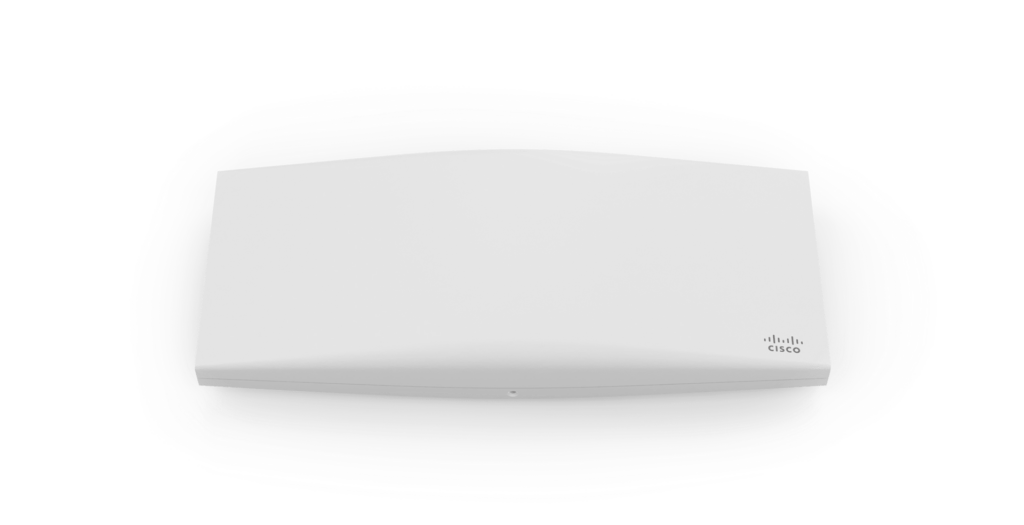
The most significant difference between the Meraki MR36 and MR46 lies in their performance capabilities and how they meet specific requirements. Both models are currently facing indefinite backorder times, so if you need to place an order soon, consider alternatives such as the MR20, MR44, MR33, or MR53, which are more readily available and have a comparable list price. This backorder status can influence purchasing decisions, making alternatives an important consideration.
The MR36 features a 2×2:2 MU-MIMO configuration, supporting a maximum data rate of 1.5 Gbps. This means it can transmit a lot of bits per second, providing solid bandwidth for environments with moderate client density and standard performance requirements. Its dual-radio design with dedicated WIDS/WIPS and Bluetooth radios ensures efficient wireless security and location-based services. The MR36 is designed for medium-density environments like small offices or homes, making it a cost-effective and energy-efficient solution that suits organizations with standard needs.
On the other hand, the Meraki MR46 boasts a 4×4:4 MU-MIMO setup, significantly enhancing its data throughput to 2.98 Gbps. This higher bit rate and increased bandwidth allow the MR46 to reach new peaks in wireless LAN performance, making it ideal for high density environments such as large enterprises, educational institutions, and healthcare facilities. The MR46’s advanced RF optimization and higher client capacity mean it can handle a lot of simultaneous users and devices without performance degradation, which is crucial for high-density deployments and performance-intensive applications. The MR46 is also specifically designed for environments with heavy uplink traffic, such as VoIP-heavy enterprise environments and event spaces. This model suits organizations with specific requirements for robust and reliable connectivity in demanding scenarios.
Another notable difference is the power consumption and interface options. The MR36 operates efficiently with a maximum power consumption of 15W, making it suitable for standard PoE environments. In contrast, the MR46 requires up to 30W for optimal performance, necessitating PoE+. While this sounds like a significant jump, it makes sense given the MR46’s enhanced capabilities. Additionally, the MR46 includes a 2.5G Ethernet port, providing higher wired backhaul speeds compared to the 1G Ethernet port on the MR36.
Ultimately, choosing the right access point depends on your environment, performance needs, and budget. The MR36 is recommended for small offices or moderate-density spaces, while the MR46 is the right access point for high density environments with heavy uplink traffic and a lot of connected devices. Evaluating your specific requirements will help you determine which model will best meet your organization’s needs.
When comparing the MR36 vs MR46, it’s important to note the shared features between these two access points, as both belong to the same set of Cisco Meraki MR Wi-Fi 6 devices designed for high-density environments. These shared features include a foundation of advanced wireless functionalities and security capabilities.
Both MR access points leverage Wi-Fi 6 technology, which brings the benefit of enhanced wireless performance and efficiency. Features like MU-MIMO and OFDMA, present in this set, improve data transmission and network capacity, especially in environments with numerous mobile devices. The ongoing course of wireless LAN standards development, such as IEEE updates, ensures that the MR series continues to evolve with new features and higher performance.
Security is a paramount concern for both models, with integrated enterprise-grade security measures such as AES encryption and 802.1X authentication. The dedicated third radio in both access points provides continuous WIDS/WIPS and RF analytics, ensuring robust wireless security and real-time threat detection. Additionally, both models support application-aware traffic shaping, allowing administrators to prioritize mission-critical applications and manage network resources effectively.
Cisco Meraki’s cloud management platform underpins both the MR36 and MR46, offering a combination of cloud management and high-performance hardware. This platform provides a seamless user experience with features like automatic firmware updates, advanced analytics, and real-time alerts. The intuitive dashboard enables administrators to deploy, monitor, and manage their wireless networks remotely, reducing the need for on-site IT staff and ensuring a minimum of hassle.
Choosing between the Meraki MR36 and MR46 ultimately depends on your specific networking requirements and deployment environment. If you are looking for a cost-effective solution that delivers reliable performance for moderate client density, the Meraki MR36 is an excellent choice. Its 2×2:2 MU-MIMO configuration, enterprise-grade security, and simple management make it suitable for small to mid-sized environments like offices, schools, and retail spaces.
However, if your deployment demands higher performance and supports a larger number of clients, the Meraki MR46 is the better option. With its 4×4:4 MU-MIMO setup, higher aggregate frame rate, and advanced RF optimization, the MR46 excels in high-density deployments and performance-intensive applications. It is ideal for larger enterprises, educational institutions, and healthcare facilities where robust and seamless connectivity is essential.
In conclusion, both the Meraki MR36 and MR46 offer outstanding wireless performance and security features, backed by Cisco Meraki’s powerful cloud management platform. By assessing your specific needs and deployment environment, you can choose the access point that best aligns with your requirements and ensures optimal network performance.
Do you have questions about Cisco Meraki products? Contact us today to discuss your needs with Stratus Information Systems experts.