
Regulated industries face constant pressure to secure sensitive information. Healthcare organizations safeguard electronic protected health information. Merchants and payment processors protect cardholder data. Audits are frequent, and regulators expect strong network controls that prevent unauthorized access, detect suspicious activity, and maintain secure operations. Network platforms play a central role in these efforts because compliance depends heavily on how systems are built, monitored, and maintained. Cisco Meraki architecture provides a modern solution that helps organizations meet these technical requirements. It combines cloud-managed security, centralized configuration, clear visibility, and a design approach that supports controlled and predictable operations through the Meraki cloud dashboard.
Many teams turn to Meraki because the platform aligns with core regulatory safeguards. The system offers centralized identity controls, rich logging capabilities, segmentation tools, and policy features that support a compliant design. Cisco Meraki benefits extend into daily operations by reducing configuration drift and improving response times for changes or audits. Features such as Meraki 2FA(Two Factor Authentication), Meraki QoS (Quality of Service), and the Meraki dashboard API help enforce access control, protect sensitive traffic, and generate reliable evidence during audits. While Meraki assists with the technical requirements, organizations still need formal compliance programs to manage policies, documentation, and governance..
HIPAA focuses on safeguarding electronic protected health information across transmission and storage. For network teams, this includes strong access control, clear audit trails, system integrity protections, and secure communication paths. Firewalls, VPNs, wireless encryption, and segmentation all contribute to these safeguards. Cisco Meraki architecture supports these aims by providing tools that enforce least-privilege access, ensure strong remote connectivity, and provide detailed tracking of administrator activity. The Meraki cloud dashboard includes logs that help teams review changes and verify that network components handling ePHI comply with approved security policies.
PCI DSS requires strict handling of cardholder data. Network security is a key component of these controls. Requirements include cardholder data environment segmentation, secure firewall management, frequent log reviews, and strong authentication for administrative access. Switching, wireless, edge security, and remote connectivity all influence PCI scope. Cisco Meraki architecture helps reduce risk by simplifying segmentation and providing visibility into how traffic flows between zones. Wireless settings can enforce secure encryption and prevent unauthorized devices from connecting to payment-related networks. These controls help limit PCI scope and support audit requirements.
Compliance depends on more than technical settings. Cisco Meraki benefits appear when the platform fits into a larger program that includes documentation, staff training, change control, and incident response procedures. Meraki architecture provides technical tools such as segmentation, auditing, and secure authentication. Teams must still pair these features with governance practices. When used together, Meraki solutions help organizations align network configurations with regulatory goals in a consistent and measurable way.
Cisco Meraki architecture follows a cloud-managed model where configurations, monitoring, and management activities are stored and enforced through the Meraki cloud dashboard. Devices maintain secure channels back to the cloud, which allows administrators to manage networks without local access. Built-in security features such as firewalls, IDS/IPS, and strong wireless encryption help meet the technical safeguard expectations of HIPAA and PCI. VPN capabilities allow secure connections between clinics, branches, and data centers. This creates a structured environment where teams can monitor devices and apply standards across the entire organization.
Segmentation is critical for both HIPAA and PCI compliance. Cisco Meraki architecture supports VLANs, ACLs, group policies, and SSID-based separation. Teams can isolate PHI systems from general-purpose networks and create dedicated zones for cardholder data environments. Guest networks are kept separate from internal networks. Policy rules tied to user groups, device identities, or access methods ensure that traffic flows only where permitted. This segmentation limits exposure and provides auditors with clear evidence that sensitive systems remain isolated.
Several Cisco Meraki benefits make the platform suitable for regulated environments. The Meraki cloud dashboard simplifies configuration and reduces the risk of inconsistent settings. Templates allow teams to enforce uniform standards across many sites. Change logs provide visibility into administrative activity. The platform’s built-in security controls offer a strong technical foundation for access control, monitoring, and encryption. These capabilities help healthcare and payment organizations maintain predictable operations and prepare for audits with confidence.
The Meraki cloud dashboard provides role-based access control that limits who can modify settings or review sensitive information. Teams can assign administrator roles on a per-network or per-organization basis. This granularity reduces the risk of unauthorized adjustments to networks that support PHI or cardholder environments. Change logs track administrator actions and offer a clear record for compliance reviews. This visibility is essential for HIPAA and PCI programs that require accountability for configuration changes.
Meraki 2FA strengthens administrator security by requiring a second factor during login. This reduces the risk of compromised passwords leading to configuration changes or unauthorized access. HIPAA and PCI both emphasize strong authentication for administrative accounts. Meraki 2FA supports options such as time-based one-time passwords or identity provider integrations. These methods help organizations meet security expectations by increasing resistance to credential theft.
The Meraki platform integrates with RADIUS, SAML, and Active Directory. This allows teams to use established user groups and identity attributes when enforcing network access. Identity-based policies can restrict access to specific systems or VLANs based on staff roles. Clinical teams, administrative staff, payment terminals, and IoT devices can each receive policies that reflect their operational needs. This level of control prevents unnecessary access to PHI or cardholder data and supports regulatory expectations for least-privilege access.
Segmentation is one of the strongest methods for reducing regulatory risk. Meraki architecture helps create isolated zones using VLANs, separate SSIDs, VPN segmentation, and firewall rules. Healthcare environments often separate clinical systems, patient care devices, and guest traffic. Retail environments separate cardholder data systems from employee networks. These isolated zones reduce the likelihood that unauthorized devices can reach sensitive systems.
Meraki QoS settings allow teams to prioritize essential traffic for clinical applications, payment terminals, or secure gateways. Quality of service is important because downtime can affect patient care or payment processing. Prioritization helps maintain stable communication for systems handling sensitive information. The ability to ensure consistent performance supports operational reliability, which auditors often review during assessments.
Edge protection plays a key role in compliance. Meraki switches, wireless access points, and security appliances support port security, rogue AP detection, access control rules, and threat alerts. These controls limit lateral movement and reduce exposure. The system can block unwanted devices or restrict communication between zones. This approach reduces the potential impact of compromised endpoints.
Encryption is a central requirement in both HIPAA and PCI. Meraki platforms support strong wireless encryption, including WPA3 for PHI and payment environments. Site-to-site VPN uses strong encryption methods to protect data as it moves between remote sites and data centers. Client VPN provides secure remote access for authorized staff.
Meraki devices maintain secure communication channels to the cloud management plane. Certificates, TLS encryption, and restricted ports protect management data from tampering or interception. Auditors often ask for details on management-plane security, and these built-in protections help demonstrate a secure approach to administrative traffic.
The Meraki cloud dashboard provides logs for firewall events, configuration changes, wireless associations, VPN activity, and security alerts. These logs can be exported to SIEM systems or stored for required retention periods. HIPAA and PCI both require ongoing monitoring, so having a centralized repository of event data helps teams respond quickly to suspicious activity.
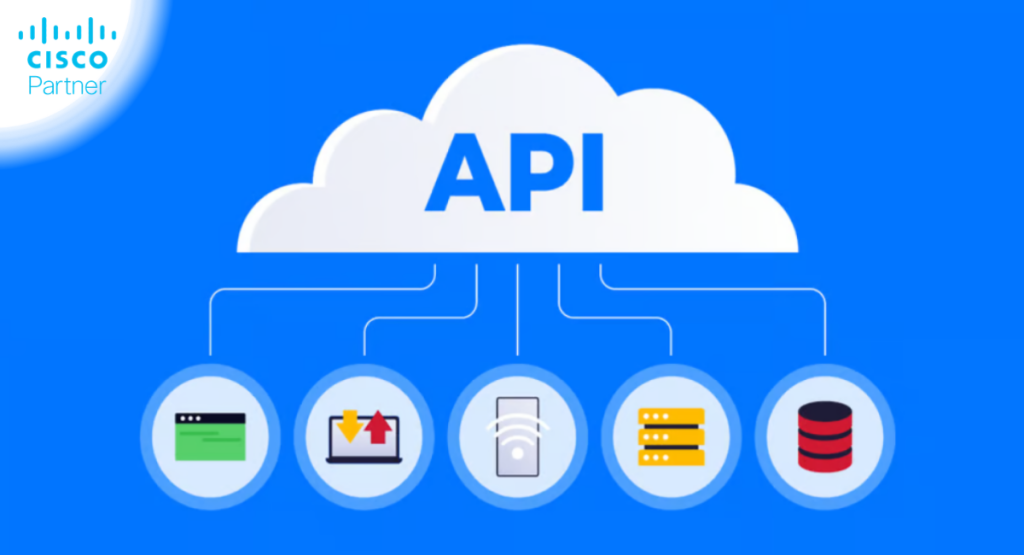
The Meraki dashboard API helps automate reporting and simplify audit preparation. Teams can use the API to pull administrator account lists, snapshots of network configurations, VPN status reports, and access policies. These structured outputs support PCI DSS reporting and HIPAA Security Rule documentation. Automation reduces manual effort and provides consistent evidence during audits.
Meraki logs can integrate with SIEM platforms to support real-time analysis. The Meraki dashboard API and syslog exports allow security teams to correlate Meraki data with events from servers, applications, and cloud platforms. This comprehensive view helps detect incidents, track changes, and support forensic investigations when needed.
Templates in the Meraki cloud dashboard help create consistent designs across clinics, hospitals, retail branches, and remote offices. Repeatable patterns prevent configuration drift and reduce the risk of errors that create compliance gaps. Template-based deployments enforce consistent firewall rules, wireless settings, and segmentation structures.
The Meraki dashboard API extends this consistency by enabling bulk policy enforcement across many sites. Teams can verify naming standards, VLAN structures, and compliance-related settings across large regions. The API ensures that each site follows the approved design and provides a way to validate compliance at scale.
Cisco Meraki architecture supports compliance, yet organizations still need internal policies, documented procedures, and staff training. Compliance programs require risk assessments, incident response plans, data handling guidelines, and governance structures. Cisco Meraki benefits enhance these programs by providing strong technical controls, but the organization remains responsible for meeting all administrative and procedural requirements.
A practical checklist can help teams maintain a strong posture:
• Enable Meraki 2FA for all administrator accounts
• Segment PHI and cardholder data environments
• Apply Meraki QoS to critical clinical and payment services
• Encrypt all sensitive traffic
• Collect logs and store them for the required periods
• Use the Meraki dashboard API to create configuration and access reports
• Review admin roles and change logs regularly
Cisco Meraki architecture offers a powerful foundation for healthcare and payment environments that require strong technical controls. The Meraki cloud dashboard, combined with identity policies, segmentation tools, and automated reporting, provides a clear path toward meeting HIPAA and PCI expectations. Cisco Meraki benefits include simplified administration, fast deployment, and strong operational visibility.
Organizations planning to enhance compliance can begin by reviewing their network structure and identifying areas where segmentation, identity management, or encryption need improvement. Stratus Information Systems can design, deploy, and optimize Meraki architectures for regulated environments.For help aligning your Cisco Meraki deployment with HIPAA and PCI requirements, contact Stratus Information Systems to schedule a design or review session.


