

Choosing the right switch has a direct impact on how well a network performs, how easily teams manage daily operations, and how much long-term overhead an organization carries. Modern environments demand stable connectivity, strong security, fast provisioning, and clear visibility. This is why many IT teams evaluate Cisco Catalyst and Meraki MS switches side by side. Both platforms offer strong performance, yet they target different workflows and management styles. The choice can shape how quickly a team deploys hardware, how quickly issues are resolved, and how well the network scales.
Meraki switches fit cloud-first strategies where central visibility and template-driven consistency matter. Catalyst switches fit environments that need advanced routing features, granular command-line control, and tuned performance in complex cores. Each approach supports enterprise requirements, but the real value comes from placing the right switch in the right role. This article breaks down practical differences in design, workflow, scalability, and long-term planning so you can choose the platform that aligns with your operational goals.
Contact Stratus Information Systems for expert help evaluating your switching strategy.
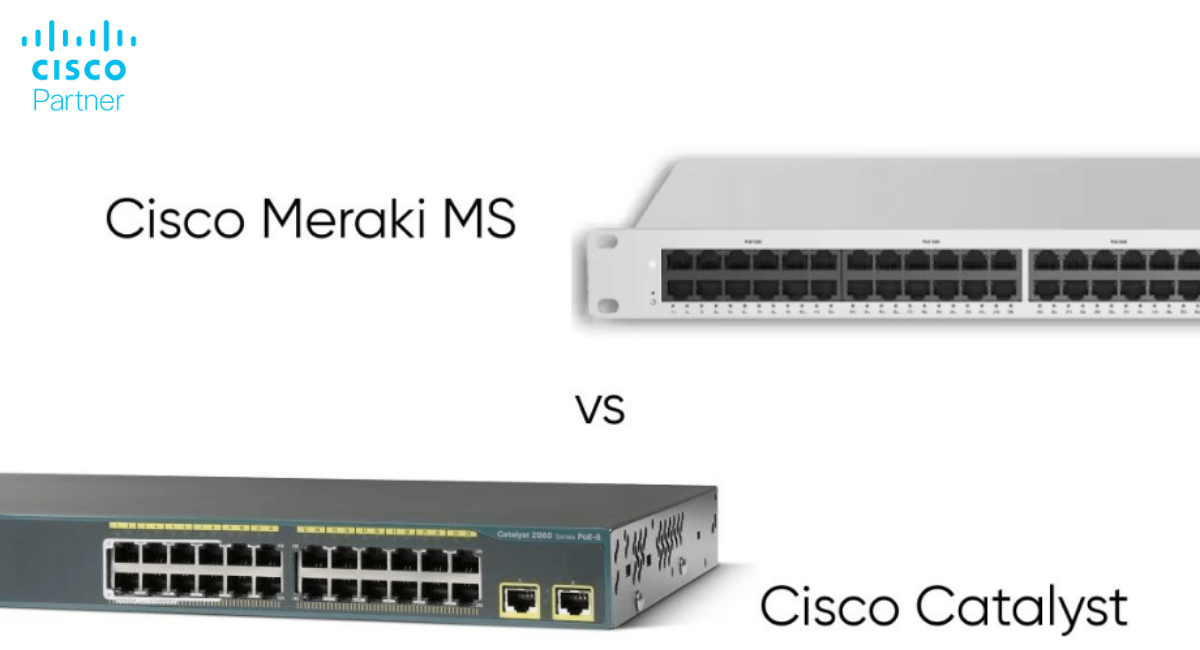
Cisco Catalyst has long served as the foundation for many enterprise networks. It offers deep configuration control, hardware flexibility, and a rich command-line experience. Meraki switches focus on cloud simplicity, centralized oversight, and streamlined operations. Both families deliver high performance, yet each serves different management preferences. The choice often begins with how much an organization values direct control compared to unified cloud visibility.
Catalyst hardware leans heavily into speed, deterministic behavior, ASIC-driven optimization, and extensive Layer 3 features. Environments with complex routing patterns, multicast loads, or strict performance expectations often use Catalyst as the backbone. Meraki network switches, on the other hand, shine in distributed architectures where teams prefer cloud dashboards, remote troubleshooting, and quick deployments. The entire configuration lives in the cloud, making multi-site standardization simple and repeatable.
Licensing models also differ. Catalyst supports perpetual licensing along with Smart Licensing options. Meraki switches include cloud-managed licensing that unlocks dashboard features, analytics, automation, and remote monitoring. Some teams prefer predictable subscription models, while others prefer traditional purchasing structures. Understanding these differences helps organizations select the platform that aligns with budgeting preferences and operational design.
Catalyst deployments often follow a structured staging process. Engineers prepare configurations, test code versions, and follow a careful rollout sequence. This workflow fits well with large enterprises that have mature change control processes. Meraki switches take a different path. They support zero-touch provisioning, allowing new hardware to pull settings directly from the cloud. This saves time for teams that deploy equipment at remote branches or fast-growing sites.
Daily operations also reflect these contrasting approaches. Catalyst offers granular control over each feature through CLI commands. Engineers comfortable with scripting or deep syntax preferences value this precision. Meraki switch models provide an interface where teams modify templates, apply changes in bulk, and track every configuration update through a clean dashboard. The reduction in manual steps helps teams lower risk during frequent adjustments.
Troubleshooting is another area where the two platforms differ. Catalyst engineers rely on terminal access, local logging, and live debugging sessions. Meraki switches provide browser-based captures, topology maps, device histories, and event-based insights that appear instantly. These features remove guesswork and help teams resolve issues quickly, especially in remote or hard-to-reach environments.
Security often sits at the top of the evaluation checklist. Catalyst supports advanced policy features and tight integration with Cisco Identity Services Engine. It excels in environments with strict segmentation or intensive security demands. Meraki switches strengthen security through cloud-managed policies, network-wide visibility, and fast policy deployment. Both platforms offer strong protection, yet companies choose based on operational preferences rather than raw capability.
Performance considerations also influence platform selection. Catalyst hardware handles demanding workloads, including multicast optimization, QoS shaping, and low-latency switching. These capabilities suit campus cores, large data centers, and busy distribution layers. Meraki switch models offer solid performance for access and aggregation roles, especially in environments that prioritize ease of operation and cloud analytics. For many organizations, the combination of dashboard visibility and consistent throughput creates a strong operational balance.
Automation has become a central part of modern network management. Catalyst supports scripting, programmability frameworks, and detailed configuration workflows. Meraki switches integrate with API-driven automation, allowing teams to configure thousands of devices through templated structures. Both platforms support modern infrastructure-as-code approaches, although Meraki’s cloud interface reduces the effort needed to push changes across multiple branches.
Cloud management adds another layer of differentiation. Meraki’s dashboard provides policy templates, built-in analytics, remote packet captures, change logs, and live client visibility. These features allow teams to troubleshoot, optimize, and manage without stepping onsite. Catalyst integrates with DNA Center for centralized control, yet many organizations evaluate the total operational lift when choosing between the two.
Multi-site management is often the deciding factor for organizations evaluating Meraki switches. The cloud dashboard allows administrators to view global performance, apply changes to all branches, and replicate policies instantly. Deployments can scale from a handful of sites to hundreds of branches without relying on local IT presence. This model benefits retailers, remote clinics, hospitality chains, and distributed enterprises.
Catalyst delivers strong scalability in centralized or campus-heavy environments. Its advanced routing capabilities, high-capacity uplinks, and mature feature set support demanding traffic patterns. Organizations with large campuses or deeply integrated LAN structures rely on Catalyst for predictable behavior and strong performance at scale. The platform excels when the network is centralized rather than geographically distributed.
When comparing the two, the management costs become essential. Meraki switches reduce configuration drift and speed up remote troubleshooting. Catalyst provides fine-tuned control for engineers who maintain complex topologies. The platform that fits an organization best depends on how much time the team can commit to local oversight versus cloud-driven automation.
Firmware updates influence stability, security, and long-term performance. Meraki switch models receive updates through scheduled cloud processes. Teams choose a window, monitor deployment, and rely on automated rollback if needed. This approach reduces the complexity of maintaining large fleets across multiple regions. Catalyst uses a more manual process where engineers stage updates, validate behavior, and upgrade through well-documented steps.
Procurement considerations also play a role. Meraki network switches rely on cloud licensing that includes support, firmware, and dashboard access. This model gives organizations predictable costs throughout the lifecycle. Catalyst offers a more traditional procurement experience with hardware ownership and optional support tiers. Each model suits different accounting preferences, especially when planning multi-year refresh cycles.
Skill planning determines how organizations staff their network teams. Catalyst requires strong CLI experience and comfort with detailed configuration tasks. Meraki reduces the need for deep syntax knowledge and focuses on intuitive workflows. This difference can reshape hiring requirements, training budgets, and long-term operational planning.
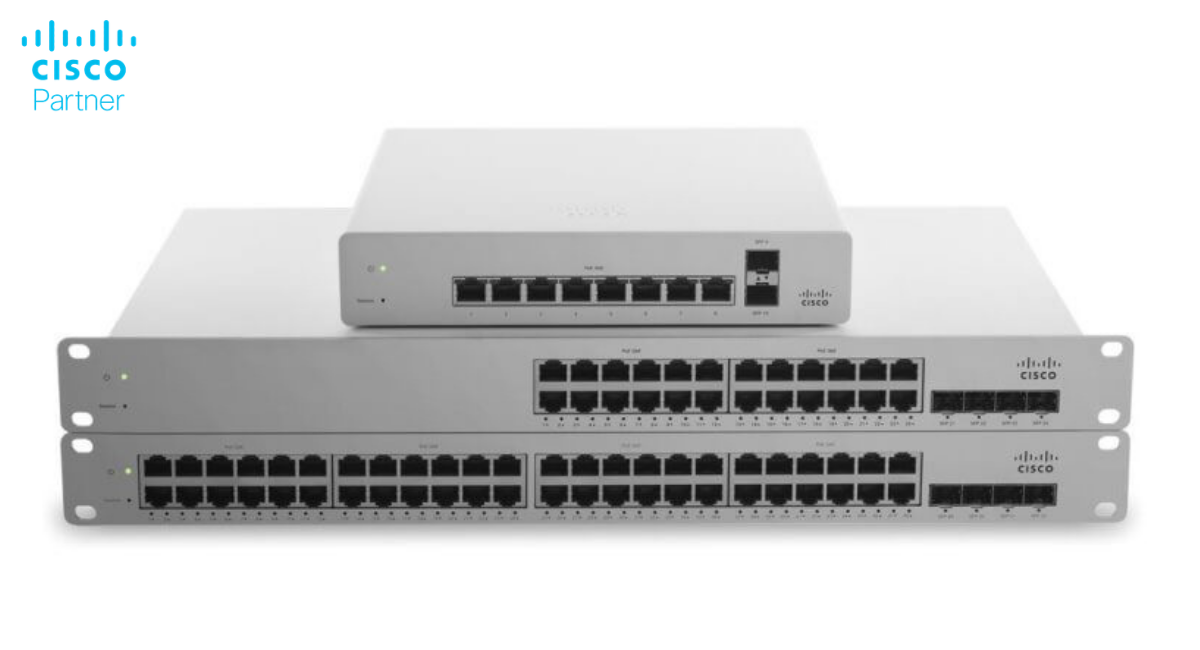
Meraki switches fit perfectly into organizations with many remote or distributed locations. Teams managing dozens or hundreds of branches appreciate the ability to push changes through templates and track device activity without visiting each site. Retail chains, healthcare clinics, financial service branches, and quickly growing SaaS offices often choose Meraki for this reason.
Cloud visibility improves daily operations. Engineers can track client status, spot issues before they spread, and resolve problems in minutes. This helps even small IT teams handle large deployments without bottlenecks. Meraki switch models let companies scale without feeling overwhelmed by manual configuration tasks or local access requirements.
These strengths make Meraki switches a sound choice for businesses that want predictable deployments, centralized oversight, and simplified troubleshooting. The cloud environment allows organizations to achieve stable performance without building complex internal operational systems.
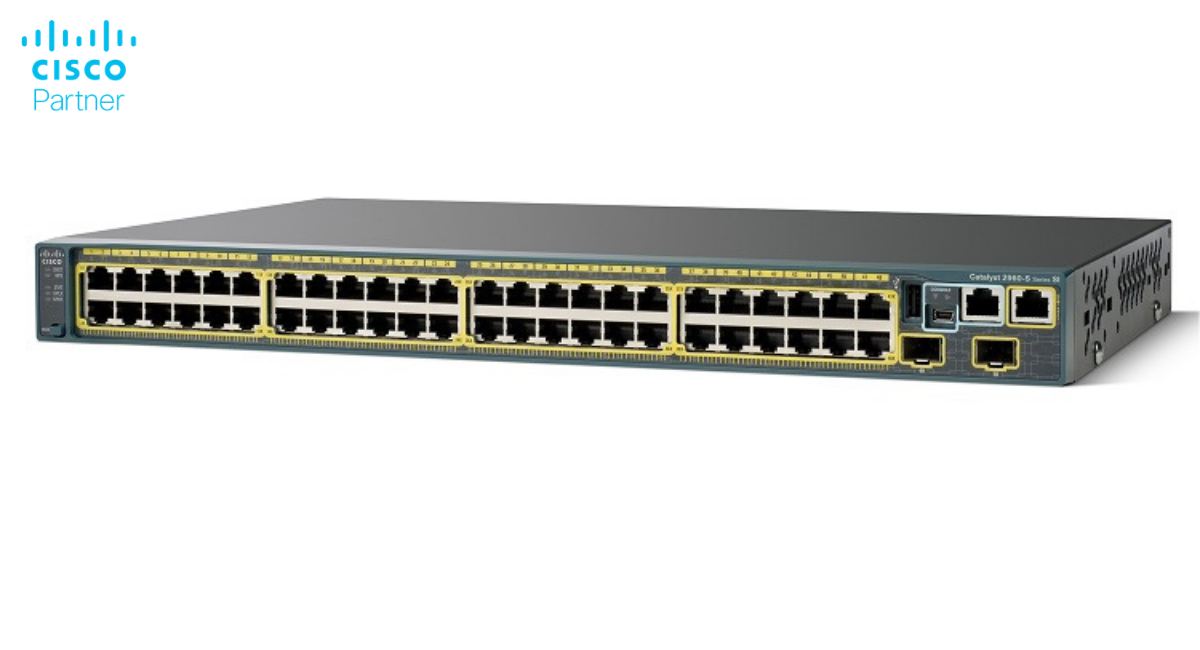
Catalyst remains the top choice in environments that rely on dense routing, strict Layer 3 behavior, or advanced security integration. Network cores with large east-west traffic, high bandwidth aggregation, or strict quality control benefit from Catalyst hardware. The platform excels when traffic loads demand tight control and hardware-level optimization.
CLI-driven workflows matter for engineers who need full control over configurations. Teams that already maintain strong scripting habits or low-level tuning routines usually stay within the Catalyst ecosystem. It offers the level of precision that some architectures require, particularly in enterprise cores or advanced research environments.
Organizations that prefer on-premises management frameworks or maintain large internal engineering teams also lean toward Catalyst. The platform supports deep customization, predictable behavior, and mature feature sets that fit complex or high-performance infrastructures.
Each switch family carries a different cost structure. Meraki switches rely on a cloud-managed licensing model that covers hardware support, updates, and dashboard functionality. This creates predictable annual costs and gives teams a clear understanding of long-term operational expenses. For distributed environments, the efficiency gained from reduced onsite troubleshooting often offsets licensing commitments.
Catalyst suits organizations that prefer traditional hardware purchasing and long depreciation cycles. Teams that already have training pipelines, configuration standards, and CLI routines may find that Catalyst fits more comfortably into their budget planning. The platform aligns well with large capital planning frameworks where refresh cycles follow a structured timeline.
The right choice depends on operational style, deployment scale, and the level of configuration control your team prefers. Meraki simplifies management, accelerates deployments, and delivers strong cloud visibility for distributed environments. Catalyst offers deeper control, high-performance routing, and strong campus-focused capabilities. Both deliver enterprise-class reliability, yet each fits different long-term strategies. Stratus Information Systems helps organizations evaluate switching requirements, compare platform strengths, and plan hybrid designs that blend the best of both worlds. Our experts support migrations, site rollouts, and optimized architectures tailored to each environment.


