Cisco Meraki is a popular choice for businesses looking for robust and scalable network solutions. Known for its cloud-based management and user-friendly dashboard, Meraki simplifies network administration while offering advanced features for security and performance. However, a critical component of using Meraki devices is maintaining active licenses. Without a valid license, the functionality and support of these devices can be significantly affected.
Understanding what happens when a Meraki license expires is crucial for network administrators and IT professionals. This article will explore the implications of license expiration, the available grace period, steps to take if your license expires, and preventive measures to avoid licensing issues. By the end of this article, you will have a clear understanding of how to manage Meraki licenses effectively and ensure continuous network performance.
f how to manage Meraki licenses effectively and ensure continuous network performance.

Meraki licensing is at the core of effective network management for organizations using Meraki devices. The licensing model determines how network administrators can access cloud management features, maintain network security, and ensure compliance across their infrastructure. When a license expires, the impact is immediate—devices lose access to the Meraki dashboard, advanced security features are disabled, and overall functionality is reduced. This makes understanding license expiration dates and the co-termination licensing model essential for seamless network operations.
The co-termination licensing model is designed to simplify license management by aligning all device licenses to a single expiration date. Per device licensing offers additional flexibility by allowing one license to be assigned to a specific device or network, and organizations can choose between a single shared expiration date or separate expiration dates for different devices. Separate licenses can be managed independently, which is especially useful for organizations managing multiple organizations within their infrastructure. This approach provides ultimate flexibility, allowing IT teams to manage renewals more efficiently and reduce administrative overhead. However, it’s important to note that expired licenses can put your network at risk, leading to compliance issues and loss of support. Staying on top of Meraki licensing ensures your devices remain fully functional and your network secure.
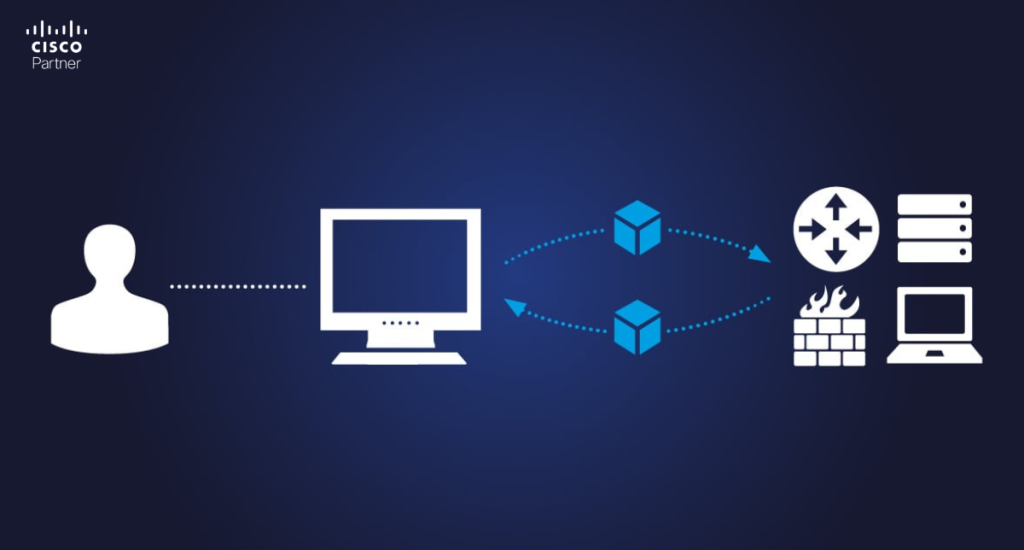
When a Meraki license expires, the immediate impact is the loss of cloud management capabilities via the Meraki dashboard. This means administrators can no longer make configuration changes or monitor the network through the cloud interface. Meraki hardware, including access points, requires a valid license to pass traffic and be managed via the Meraki cloud. Active devices will continue to function with their last known settings, but any attempt to access the Meraki dashboard will be blocked until the license is renewed.
In the per-device licensing model, each device is licensed individually—one device is assigned one license—and licenses claimed for wireless APs or other wireless AP are managed separately for each device. This allows for flexible management, as licenses can be assigned, renewed, or transferred for individual devices or groups, including wireless aps. If a license expires, only that device is affected while others continue to operate. If only some devices are out of compliance, only those specific devices may be disabled, while the rest of the network remains functional.
Moreover, network security is compromised with an expired license. Features such as firewall rules, VPN configurations, and wireless access controls may become outdated, leaving the network vulnerable to potential threats. After hardware ceases to pass traffic due to license expiration, it becomes unmanageable and essentially acts like a “paperweight” until valid licenses are applied. Expired devices will not receive firmware updates or technical support, including security patches and troubleshooting assistance. SM licenses are also subject to these restrictions if not renewed. After license expiration, access to the Meraki Dashboard is restricted to only the License Info page for claiming new licenses.
Fortunately, Cisco Meraki offers a 30-day grace period after a license expires. During this time, the network devices continue to operate as usual, providing administrators with a buffer to renew the licenses without immediate disruption. During the 30-day grace period, devices continue to function normally and full management access is retained via the Meraki Dashboard, but warnings will be shown. The grace period can also be triggered when deploying more devices than there are licenses available. It is essential to monitor the “Co-termination” date in the Meraki Dashboard to avoid unwanted service interruptions. Notifications and alerts are sent to administrators before the expiration date to prevent service interruption. This grace period is essential for maintaining network stability while addressing licensing issues.
Licenses burn time refers to the period from activation to expiration, and any licenses activated or claimed on the same day will share the same expiration date, making it easier to manage renewals and synchronize license management across devices.
However, it’s important to note that the 30-day grace period is not a solution but a temporary measure. Failing to renew the license within this period will result in the suspension of cloud management capabilities and potential network security risks. Ensuring timely license renewals is crucial to avoid interruptions and maintain the overall health of the network.
Effectively managing active licenses is crucial for keeping your Meraki network running smoothly. The co-termination licensing model streamlines this process by consolidating all license expiration dates into one, making it easier to track and renew licenses for the entire organization. However, this convenience comes with a responsibility: if licenses nearing expiration are not renewed in time, the entire organization’s network could be affected, potentially resulting in a complete shutdown of cloud management capabilities.
To avoid such risks, network administrators should maintain a detailed inventory of all active licenses, regularly monitor expiration dates, and adopt a proactive approach to license management. Tracking the date claimed for each license helps schedule renewals and avoid lapses in coverage. Additionally, partial renewals are possible, allowing administrators to renew only selected licenses as needed. By planning renewals ahead of time and keeping accurate records, you can ensure that all devices remain licensed and operational, minimizing the risk of unexpected disruptions to your network.
License keys are fundamental to managing Meraki devices, as each device requires its own unique key to activate and access the full suite of features. When a license expires, it’s essential to update the license key in the Meraki dashboard to restore device functionality and maintain compliance. The dashboard provides a centralized platform for managing license keys, assigning them to specific devices, and monitoring license status across your organization. You can also deploy Meraki products efficiently using the dashboard and APIs, streamlining license assignment and device configuration across multiple sites. Meraki’s licensing platform can integrate with other systems, providing flexibility for organizations managing diverse network environments.
It’s important to purchase the correct number of licenses to cover all devices in your network, as licenses cannot be shared or transferred between devices. Additionally, certain license types unlock advanced security features—such as enhanced firewall capabilities or multiple VPN tunnels—so selecting the right license for your needs is critical. Proper license key management ensures your organization can access advanced security, maintain compliance, and keep your network running efficiently.
Log into the Meraki dashboard and navigate to the Organization > License Info section. Here, you can see detailed information about each device’s license status, including expiration dates and the number of devices affected.
If your license has expired, reach out to Cisco Meraki support for assistance. They can provide guidance on the renewal process, discuss options tailored to your needs, and help resolve any immediate issues.
Choose the appropriate license type for your devices. Cisco Meraki offers several options, such as device-specific licenses or the co-termination licensing model, which aligns all licenses to a single expiration date. Consider your organization’s needs and budget when selecting the best option.
Check the license limit count to ensure you have the correct number of licenses for your active devices. If you plan to add more devices to your organization, you must purchase additional licenses to cover them. When devices are added mid-term under the co-termination model, the renewal date for all devices is extended accordingly. Evaluate the cost implications of renewing your licenses and budget accordingly to avoid future expiration issues.
Follow the steps provided by Cisco Meraki to complete the renewal transaction. This might include purchasing the licenses online or through a Cisco Meraki partner. Ensure that all necessary information is provided and the transaction is completed promptly.
After renewing your licenses, update the Meraki dashboard with the new license keys. This step ensures that all devices are covered and operational. The dashboard will reflect the new expiration dates and overall license status.
Planning and budgeting for license renewals is a key part of maintaining a secure and compliant Meraki network. The cost of renewing licenses can vary based on the licensing model, the number of devices, and whether you require advanced security or enterprise licenses. The co-termination licensing model and the 30-day grace period provide some flexibility, but it’s important to budget for renewals well in advance to avoid lapses in coverage.
Longer-term licenses often offer better value and can reduce the administrative burden of frequent renewals. Working closely with Cisco Meraki support can help you determine the right licensing requirements for your organization and ensure you remain compliant. By proactively budgeting for license renewals, you can maintain network security, avoid unexpected expenses, and ensure uninterrupted functionality for all your Meraki devices
Configure alerts in the Meraki dashboard to notify you well in advance of upcoming license expirations. These alerts can be set up to send reminders via email or other communication channels.
Keep a detailed record of all active licenses, including their expiration dates and the devices they cover. Regularly update this inventory to reflect any changes, such as new device additions or license renewals.
Periodically check the Meraki dashboard to review the status of your licenses. This proactive approach helps identify any licenses nearing expiration and allows for timely renewals.
Leverage the manual co-termination calculator available in the Meraki Dashboard to run co-term calculations. This tool helps unify license expiration dates across multiple devices, simplifying renewal and compliance management, especially for organizations with complex licensing needs.
Include license management as a regular part of your IT maintenance routine. Scheduling regular reviews and renewals can prevent last-minute rushes and ensure continuous network operation.
Allocate a portion of your IT budget specifically for license renewals. Planning financial resources in advance helps avoid unexpected expenses and ensures that funds are available when needed.
Ensure that all relevant IT staff are knowledgeable about the importance of license management and the steps to take to avoid expiration. Training helps create a culture of proactive management and reduces the risk of lapses.
Network administrators must take a comprehensive approach to Meraki license management to safeguard network security and ensure ongoing compliance. Monitoring licenses nearing expiration, tracking expiration dates, and maintaining an up-to-date inventory of active licenses are all essential practices. The Meraki dashboard offers robust tools for managing license keys, assigning licenses to devices, and monitoring license status, empowering administrators to take a proactive approach.
Ensuring that all Meraki network devices are properly licensed not only protects against security vulnerabilities but also provides ultimate flexibility and peace of mind. By staying vigilant and leveraging the management capabilities of the Meraki dashboard, network administrators can keep their organization’s network secure, functional, and fully compliant—no matter how many devices or sites are involved.
Meraki license and support are foundational to the reliable operation of your Meraki network devices. When a Meraki license expires, the impact is immediate: devices lose access to cloud management, stop receiving firmware updates, and, after the 30-day grace period, will cease to pass traffic entirely. This makes the license expiration date a critical milestone for every organization administrator managing Meraki devices.
For organizations using separate Enterprise AP licenses or deploying multiple devices under the per-device licensing model, each device may have a separate expiration date. This offers ultimate flexibility, allowing you to manage renewals on a device-by-device basis. However, it also means that if a license expires for a specific device, that device alone will stop passing traffic and become unmanageable, even if the rest of your network remains operational. To prevent individual device shutdowns, it’s essential to purchase additional licenses before any expiration date is reached.
The Meraki license calculator is a valuable tool for determining the correct number of licenses needed for your entire organization. By regularly reviewing your license limit count and monitoring the license info page in the Meraki dashboard, you can ensure that all your devices are covered and avoid licensing issues. The co-term date, or shared expiration date, is especially important for organizations using the co-termination licensing model, as it synchronizes all licenses to a single renewal point—streamlining management but requiring careful attention to avoid a network-wide lapse.
If you encounter a license expiration, Meraki provides a 30-day grace period during which devices continue to operate, giving you time to renew or purchase additional licenses. However, once this grace period ends, affected devices will shut down and cloud management access will be lost. To restore full functionality, you must renew the license directly or purchase a new license key for each affected device. Meraki support is available to help resolve licensing issues, guide you through the renewal process, and ensure your network remains compliant.
Proper licensing is not just about compliance—it’s about ensuring your entire network operates smoothly, receives timely firmware updates, and remains secure. Organization administrators should make it a routine practice to review the license info page, track various expiration dates, and plan renewals in advance. Leveraging the per-device licensing model can provide flexibility for growing networks, while the co-term model simplifies management for larger deployments.
In addition to maintaining active licenses, regular device configuration, firmware updates, and performance monitoring are essential for optimal network health. The Meraki support team is a valuable resource for troubleshooting, configuration guidance, and best practices to keep your network running at its best.
In summary, staying ahead of license expiration dates, understanding your licensing model, and working closely with Cisco Meraki support are key to avoiding disruptions and ensuring your Meraki devices—and your entire network—remain secure, compliant, and fully operational. By proactively managing your licenses and leveraging the tools available in the Meraki cloud, you can achieve ultimate flexibility and peace of mind for your organization’s network infrastructure.
Proper licensing is the backbone of maintaining an efficient and secure network with Cisco Meraki devices. Knowing what happens when a Meraki license expires, understanding the 30-day grace period, and taking prompt action can save your organization from significant disruptions. The ability to manage licenses proactively not only ensures continuous network performance but also fortifies your network against security vulnerabilities.
By implementing preventive measures, you can avoid last-minute surprises. A well-managed licensing strategy provides ultimate flexibility and peace of mind, allowing your business to focus on growth and innovation. Don’t let a simple oversight compromise your entire network—stay ahead of the curve with proper license management and safeguard your organization’s digital infrastructure.
While basic operations will continue, Meraki hardware requires a valid license to function fully within the Meraki cloud ecosystem. Without a valid license, the device’s full functionality and features will not be unlocked, and cloud management and advanced security features will be inaccessible. Expired hardware will cease to pass traffic and become unmanageable until a valid license is applied.
Data on expired devices remains intact, but access to cloud management and configuration changes will be restricted until the license is renewed.
The co-termination licensing model aligns all device licenses to a single expiration date, simplifying renewal processes and administrative tasks. This means that all Meraki products in your organization will have their license expiration dates synchronized, making compliance and renewal for your Meraki products more straightforward.
Using a network device without a valid license can lead to reduced functionality, security vulnerabilities, and loss of cloud management capabilities. Expired hardware will stop passing traffic and become unmanageable until a valid license is applied.
The standard grace period is 30 days. Extensions are typically not available, so it’s crucial to renew licenses within this timeframe to avoid disruptions.
Renewing licenses under the co-termination model can streamline management by synchronizing expiration dates across all devices, reducing administrative burden and ensuring consistent network performance.
Contact Cisco Meraki support for assistance with any licensing issues. They can provide guidance and solutions to ensure your network remains operational and secure.